
Qu'est-ce qu'un swing de golf ?
Définir le passage de l'adressage à la mise en œuvre
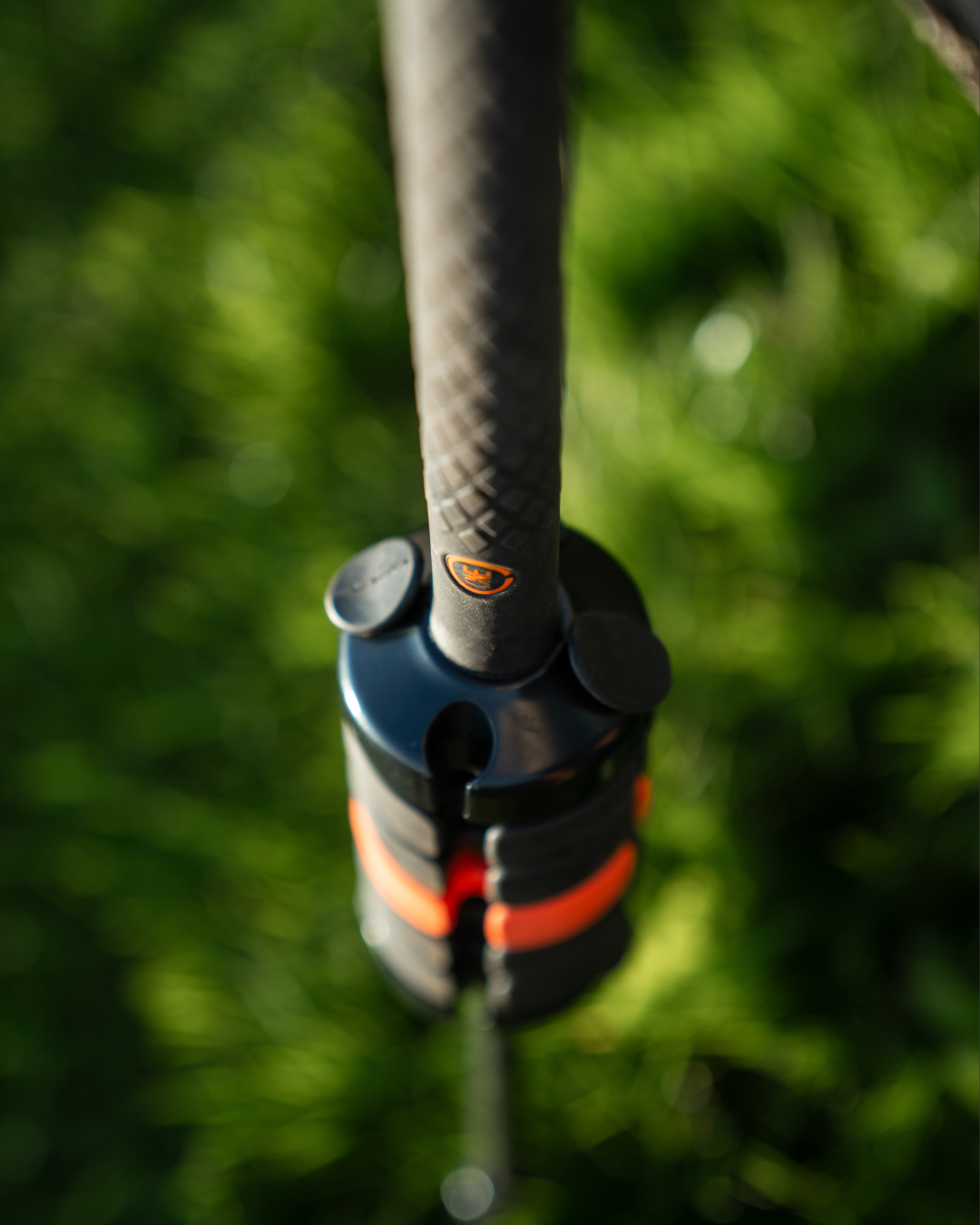
Un swing de golf est bien plus qu'un simple coup porté à une balle. C'est un mouvement soigneusement orchestré qui commence dès que vous vous placez face à la balle et se poursuit jusqu'à la fin du swing. À l'adresse, vous préparez le terrain : pieds bien ancrés au sol, corps détendu, regard concentré. Vient ensuite le backswing, un enroulement progressif de la puissance, emmagasinant l'énergie comme un ressort. Au début du downswing, toute cette énergie accumulée est libérée en une explosion, propulsant le club vers la balle avec précision. Enfin, le finish prolonge votre élan, révélant la fluidité et la régularité de votre mouvement. Chaque étape est liée aux autres, et le moindre détail négligé peut compromettre toute la séquence. C'est pourquoi les golfeurs passent souvent des heures à peaufiner les subtilités de leur swing. En s'entraînant avec ONE Club Trainer, les joueurs reçoivent un retour d'information instantané à chaque phase, ce qui leur permet d'enchaîner les mouvements avec fluidité. Le swing passe ainsi d'une série de mouvements décousus à un geste unique et fluide, presque sans effort.
Ce qui est vraiment fascinant, c'est comment le swing reflète non seulement l'habileté, mais aussi l'état d'esprit. La position initiale à l'adresse reflète souvent la confiance, tandis que le mouvement final témoigne silencieusement de l'équilibre et du rythme. Avez-vous déjà remarqué comment un coup parfait semble résonner longtemps après que la balle a touché le sol ? C'est parce que le swing, lorsqu'il est correctement exécuté, vibre d'harmonie et de maîtrise. L'utilisation d'outils structurés qui mettent l'accent sur l'enchaînement correct des mouvements permet de développer cette harmonie. Avec une pratique régulière, les golfeurs peuvent apprendre à percevoir le swing non comme une corvée, mais comme un rythme qui leur est propre, un rythme qui récompense la patience et la répétition. Et n'est-ce pas là toute la beauté du golf : trouver du plaisir dans le processus d'une chose si trompeusement simple et pourtant infiniment complexe ?
Comprendre le rôle de l'alignement corporel et de la posture
L'alignement et la posture n'ont peut-être pas l'air glamour, mais ils sont la base de tout swing réussi. Imaginez-vous légèrement voûté ou de travers à l'adresse : sans même vous en rendre compte, vous compromettez déjà votre régularité. La posture détermine la façon dont votre corps bouge, tandis que l'alignement guide la trajectoire de la balle. Gardez votre colonne vertébrale neutre, vos épaules alignées et votre poids réparti, et soudain, le club se déplace avec fluidité au lieu de résister. Le corps devient une structure stable qui canalise l'énergie de manière fluide dans le swing. Les golfeurs sous-estiment souvent l'influence de la posture sur la puissance et la précision. Même une légère croupe ou une épaule mal alignée peut modifier la face du club et ruiner un coup pourtant solide. C'est là que l'utilisation du ONE Club Trainer fait toute la différence : il aide à renforcer la sensation d'un mouvement correct, obligeant le corps à maintenir la bonne position grâce à la résistance et à la répétition.
Imaginez la posture et l'alignement comme les racines d'un arbre. Si elles sont superficielles ou tordues, l'arbre peine à se tenir droit. Il en va de même au golf. Des racines solides permettent d'acquérir de la régularité, tandis qu'une mauvaise posture entraîne des compensations constantes pendant le swing. Lorsqu'un joueur prend le temps de bien se positionner, il ne se contente pas de se préparer à frapper la balle ; il établit une confiance en la mécanique de son corps. S'entraîner à ressentir cet alignement change tout. Les outils qui détectent les déséquilibres permettent de corriger les erreurs en temps réel. Avec le temps, cela renforce la confiance, car on ne se demande plus si l'on est bien aligné : on le sait instinctivement. Et lorsque la posture devient un réflexe, tout le reste du swing se met en place naturellement.
Quels sont les fondamentaux d'un swing solide ?
La prise en main et son influence sur le contrôle
La prise en main est le seul lien entre votre corps et le club, ce qui en fait un aspect crucial du golf. Une prise ferme mais détendue influence non seulement la trajectoire de la face du club, mais aussi la puissance que vous pouvez transmettre à votre swing. Une prise trop serrée bride la fluidité du mouvement, une prise trop lâche entraîne une perte de contrôle. Le point d'équilibre idéal est celui où vos doigts guident le club avec fermeté tandis que vos poignets conservent leur souplesse. Cet équilibre subtil détermine la confiance avec laquelle vous relâchez le club à l'impact. Nombre de golfeurs ignorent que de subtiles variations de pression dans la prise peuvent modifier considérablement la trajectoire de la balle. C'est pourquoi la prise en main est un élément essentiel. Avec ONE Club Trainer, les golfeurs ressentent l'influence de la pression sur le moment du relâchement, ce qui les aide à développer une prise naturelle et constante, gage de régularité sur tous leurs clubs.
Ce qui est remarquable, c'est à quel point la prise en main reflète la personnalité sur le parcours. Une prise hésitante traduit souvent l'hésitation, tandis qu'une prise trop ferme révèle la tension. Une bonne prise en main instaure la confiance, permettant de swinguer avec conviction plutôt qu'avec doute. En perfectionnant cette connexion, les joueurs gagnent en précision et en distance. C'est comme une conversation : trop d'assurance ou trop de timidité, et le message se perd. Lorsque votre prise en main est optimale, vos mains transmettent le message parfait à la balle. La régularité devient un réflexe, et la confiance s'épanouit. S'entraîner avec un outil qui met en évidence les subtilités du timing du relâchement garantit que votre prise en main n'est pas seulement fonctionnelle, mais aussi parfaitement adaptée pour performer sous pression.
La posture et l'équilibre qui sous-tendent chaque coup
Votre posture est votre point d'ancrage. Sans une base stable, même le swing le plus parfait s'effondre sous la pression. L'équilibre commence par les pieds, répartissant le poids uniformément pour que le corps puisse pivoter sans effort. Trop de poids sur les talons et vous risquez de perdre le contrôle ; trop sur les orteils et vous basculez vers l'avant. Trouver le bon équilibre, c'est comme se tenir sur une poutre : on se sent stable, ancré et prêt à bouger avec assurance. Une posture correcte permet à l'énergie de circuler du sol vers le haut, générant de la puissance sans la forcer. Chaque coup, du chip délicat au drive puissant, repose sur cette base. L'utilisation du ONE Club Trainer améliore la conscience de l'équilibre en résistant aux mouvements lorsque vous vous déséquilibrez, vous ramenant doucement vers l'alignement à chaque swing.
L'équilibre est bien plus qu'une simple mécanique : c'est la confiance. Un golfeur qui se sent stable à l'adresse dégage de l'assurance. Ses adversaires le perçoivent, ses partenaires le ressentent, et son corps le sait. Une fois votre posture parfaitement stable, vous cessez de vous soucier de perdre votre position et vous vous concentrez sur le rythme. Cette liberté se traduit par la régularité, ce que la plupart des golfeurs recherchent avant tout. S'entraîner avec une résistance structurée développe la mémoire musculaire qui permet de maintenir une posture et un équilibre parfaits, même sous pression. Avec la répétition, l'équilibre devient moins un effort conscient et plus un instinct, une confiance tranquille qui vous accompagne tout au long de la partie.
Le mouvement de préparation et le stockage de l'énergie
Le backswing, c'est le calme avant la tempête, l'enroulement du muscle avant le lâcher. C'est là que vous emmagasinez toute l'énergie qui va être libérée. Un backswing fluide et contrôlé donne le ton à tout ce qui suit. Si vous le précipitez, vous perdez de la puissance. Si vous le traînez, vous perdez le rythme. Le backswing idéal est un mélange de tempo et de tension, avec une résistance suffisante pour charger vos muscles sans les bloquer. Imaginez que vous tendez la corde d'un arc : vous devez sentir l'énergie potentielle s'accumuler, prête à jaillir au moment précis. ONE Club Trainer met parfaitement l'accent sur cette phase, en vous indiquant si votre enroulement est correct et si votre séquence est prête à s'enchaîner avec le downswing.
Lorsque les golfeurs négligent leur élan arrière, ils peinent souvent à trouver la régularité. Soit ils allongent leur élan et s'effondrent en haut, soit ils ne l'allongent pas suffisamment et gaspillent leur énergie. Un entraînement correct de ce mouvement développe la patience et le contrôle. L'important n'est pas l'amplitude de l'élan arrière, mais la qualité de la préparation du corps à la propulsion vers l'avant. S'entraîner avec résistance aide les golfeurs à ressentir la tension musculaire, les incitant à ne pas bâcler le travail. Avec le temps, l'élan arrière devient un automatisme, une préparation mentale et physique optimale pour la frappe.
La descente et la libération de la puissance
C'est lors de la descente que tout prend son sens. Après avoir soigneusement accumulé de l'énergie, c'est à cet instant précis que vous la libérez et la projetez violemment dans la balle. Mais la puissance ne repose pas sur la force brute ; elle est question de timing et de coordination. Les hanches s'activent en premier, suivies du torse, des bras et enfin du club. Cette séquence, souvent appelée chaîne cinétique, est ce qui distingue les swings fluides et puissants des swings désordonnés et irréguliers. Bien exécutée, elle semble naturelle, même si la balle est propulsée à toute vitesse. Le ONE Club Trainer vous aide à développer cette séquence en créant une résistance qui corrige les erreurs de timing et récompense le bon rythme. À chaque swing, vous apprenez à laisser votre corps guider le mouvement au lieu de forcer sur le club, pour une puissance naturelle et non artificielle.
De nombreux golfeurs peinent avec cette phase du swing car ils se précipitent, impatients de frapper la balle. Le secret réside pourtant dans la patience : laisser le corps se détendre à son propre rythme. En s'entraînant régulièrement, les joueurs apprennent que la puissance ne se force pas, elle se laisse porter. Le club surfe simplement sur la vague d'énergie générée par le corps. Une fois ce concept assimilé, la descente se transforme d'un moment stressant en une frappe assurée. Les outils fournissant un retour d'information immédiat accélèrent cet apprentissage, indiquant précisément aux golfeurs leurs erreurs de synchronisation et le moment où ils ont réussi un lâcher parfait.
Le suivi du mouvement est le reflet de votre action.
On a souvent tendance à négliger la phase finale du swing, alors qu'elle en est le reflet. Une finition fluide et équilibrée témoigne d'un mouvement maîtrisé, tandis qu'une finition maladroite et hésitante révèle des défauts. À bien des égards, la phase finale est la plus révélatrice du swing : elle dit la vérité, qu'on le veuille ou non. En terminant haut et stablement, vous renforcez le rythme et l'équilibre, et vous apprenez à votre corps que le swing ne s'arrête pas à l'impact. Le ONE Club Trainer encourage cette continuité, car le retour d'information qu'il fournit ne s'interrompt pas à la balle, mais se poursuit tout au long du mouvement.
Apprendre à apprécier la phase finale du swing permet aux golfeurs de ne plus se focaliser uniquement sur le contact avec la balle. Trop de joueurs interrompent leur swing dès qu'ils entendent l'impact, perdant ainsi un précieux rythme. En prolongeant le mouvement jusqu'à la fin, vous vous entraînez à un geste ample et fluide. Cela améliore non seulement votre technique, mais renforce aussi votre confiance. Après tout, rien n'est plus agréable à regarder ni à ressentir qu'une fin de swing assurée et équilibrée. S'entraîner jusqu'à ce que cette fin de swing devienne un réflexe garantit que, même sous pression, votre swing affichera toujours la même attitude : contrôle, grâce et puissance.
Quels sont les défis communs auxquels sont confrontés les golfeurs ?
Gérer les tranches et les crochets
Rien n'est plus frustrant pour un golfeur que de voir sa balle partir en vrille. Un slice ou un hook donnent souvent l'impression que le jeu se moque de vous, même si vous pensiez avoir exécuté un swing parfait. Ces trajectoires sont généralement dues à un décalage entre la face du club et la trajectoire du swing. Si la face est ouverte à l'impact, la balle slice ; si elle est fermée, elle hook. Dans les deux cas, vous perdez en distance et en précision, et vous vous demandez ce qui ne va pas. Le secret ne réside pas dans la force brute, mais dans l'équilibre, le timing et la conscience du swing. C'est là que l'utilisation du ONE Club Trainer fait toute la différence. Sa résistance et ses retours d'information mettent en évidence les erreurs de timing lors du relâchement du club, vous apprenant à aligner le club naturellement grâce à la répétition. Au lieu de deviner ce qui s'est mal passé, vous ressentez la correction dans vos mains et votre corps, ce qui accélère votre progression et vous redonne confiance.
Imaginez la satisfaction de frapper une balle qui file droit et sans faute sur le fairway. Ce n'est pas de la chance, c'est la précision acquise. En s'entraînant régulièrement, les golfeurs découvrent que les slices et les hooks ne sont pas des mystères insolubles, mais des schémas aux causes évidentes. Avec un entraînement adapté, ces schémas peuvent être remplacés par des swings réguliers et maîtrisés. Au lieu de redouter votre driver, vous vous présenterez sur le tee en sachant que votre swing résistera à la pression. Passer de la frustration à la liberté est une expérience puissante, et cela commence par corriger ces défauts persistants grâce à un entraînement ciblé.
Difficultés à maintenir une certaine constance sous pression
La régularité est la clé du succès au golf. N'importe qui peut réussir un beau coup, mais le répéter, surtout sous pression, est ce qui distingue les joueurs occasionnels des joueurs confirmés. La pression amplifie le moindre défaut. Votre prise se crispe, votre tempo s'accélère, et soudain, le swing fluide que vous avez travaillé à l'entraînement vous paraît étranger. Résultat ? Des coups qui trahissent votre préparation. C'est là que l'entraînement structuré prend tout son sens. S'entraîner avec ONE Club Trainer vous oblige à trouver votre rythme, apprenant à votre corps à répéter la même séquence encore et encore. Ainsi, lorsque la pression monte, votre swing ne flanche pas : il reste stable, car la mémoire musculaire prend le relais là où le stress interviendrait.
Ce qui est formidable, c'est la façon dont la confiance se développe avec la répétition. Plus vous recevez de retours réguliers à l'entraînement, plus vous avez confiance en votre swing dans les moments cruciaux. Cette confiance rend les situations de pression moins intimidantes, les transformant en opportunités plutôt qu'en sources de crainte. Imaginez-vous sur le tee du 18, avec un match en jeu, sachant que vous allez exécuter le swing que vous avez perfectionné à l'entraînement. C'est ce genre de régularité qui permet de gagner des parties et qui rend le golf passionnant plutôt que stressant.
Perte de distance et de vitesse au fil du temps
Avec l'âge, de nombreux golfeurs constatent que leurs drives ne portent plus aussi loin qu'avant. Perdre en distance peut être décourageant, comme si le jeu leur échappait. Mais la distance n'est pas qu'une question d'âge : c'est aussi une question de vitesse, de coordination et de force. Lorsque la mécanique du swing se dégrade, la vitesse diminue et la puissance s'amenuise. La bonne nouvelle ? Ces éléments peuvent être améliorés. Le ONE Club Trainer est conçu pour aider les golfeurs à rééduquer leur corps afin de développer une puissance explosive mais contrôlée, en utilisant la résistance pour stimuler les muscles et favoriser un bon relâchement. Même les joueurs qui pensaient avoir perdu leur long jeu constatent qu'ils regagnent en distance et en confiance grâce à un entraînement régulier.
La distance n'est pas qu'une question de prestige : elle transforme votre jeu. Réussir les par 4 en un temps réglementaire, aborder les par 5 avec assurance, ou simplement savoir qu'on n'a pas besoin de trois clubs pour atteindre le green, tout cela découle de la récupération de la vitesse perdue. Un entraînement axé sur le rythme et le timing garantit un départ puissant. Il s'agit moins de frapper fort que de frapper intelligemment, en laissant le corps générer une puissance sans effort. Voir sa balle voler plus loin ravive la passion pour le golf et rappelle que la progression est toujours possible.
Quand faut-il se concentrer sur l'amélioration de la mécanique ?
Au début de la saison, avant le début de la compétition
Le début de saison est le moment idéal pour corriger ses défauts et perfectionner ses fondamentaux. Avant que la compétition ne s'intensifie, vous avez le luxe de vous concentrer sur votre technique sans la pression du score. C'est à ce moment-là que les petits changements portent leurs fruits. Un entraînement précoce avec ONE Club Trainer renforce la bonne séquence et le bon timing, de sorte que votre swing soit déjà fiable à l'approche des tournois ou des matchs du week-end. C'est comme poser des fondations solides avant de construire une maison : les résultats ne sont pas immédiats, mais ils soutiennent tout le reste.
S'entraîner tôt réduit aussi le risque de prendre de mauvaises habitudes. Sans se concentrer sur la technique, les golfeurs reproduisent souvent les erreurs de l'année précédente. Repartir à zéro, en consacrant quelques minutes par semaine à un entraînement structuré, permet d'éviter de répéter les mêmes schémas. Résultat : confiance et maîtrise dès le début des compétitions. Au lieu de courir après le temps perdu, vous avez une longueur d'avance et vous êtes prêt à donner le meilleur de vous-même.
Pendant les séances d'entraînement, au lieu de courir après les scores
Les parties d'entraînement sont une occasion en or de perfectionner votre swing. Trop de golfeurs les gâchent en se focalisant sur leur score plutôt que d'expérimenter et de progresser. Considérez ces parties comme des laboratoires où vous pouvez vous concentrer sur le rythme, l'équilibre et la mécanique. Utiliser un ONE Club Trainer pendant l'échauffement ou les pauses entre les coups vous permet de consolider la bonne séquence avant de reprendre le jeu. L'important, c'est d'apprendre, pas de faire du score. En vous entraînant de cette façon, chaque partie devient un investissement dans la régularité, et les bénéfices se font sentir lorsque la pression du score compte vraiment.
Imaginez quitter une partie d'entraînement avec le sentiment d'avoir réellement progressé, au-delà du simple nombre de coups joués. C'est la récompense de se concentrer sur la technique plutôt que sur les chiffres. Grâce à des retours réguliers et à la répétition, votre swing devient plus fluide, plus confiant et mieux préparé pour appliquer vos acquis en compétition. Les parties d'entraînement deviennent alors de véritables tremplins vers le progrès, et non des occasions manquées.
Lorsque la frustration l'emporte sur le plaisir
Le golf est censé être un plaisir, mais la frustration peut vite s'installer lorsque le swing fait des siennes. Si vous quittez le parcours plus agacé qu'inspiré, c'est le signe qu'il est temps de revoir les fondamentaux. Améliorer sa technique permet de retrouver le plaisir gâché par la frustration. ONE Club Trainer facilite cette transition en offrant un retour d'information immédiat qui élimine les tâtonnements. Au lieu de vous demander ce qui ne va pas, on vous montre clairement les ajustements nécessaires, ce qui transforme le jeu en un défi stimulant et gratifiant, plutôt qu'en une énigme.
La frustration est souvent le symptôme d'un manque de régularité, et ce manque de régularité provient généralement d'une technique défaillante. Retrouver le plaisir de jouer commence par identifier les points faibles de votre swing et les corriger méthodiquement. La satisfaction de progresser ravive l'enthousiasme pour le jeu. Soudain, au lieu de redouter une nouvelle mauvaise partie, vous abordez chaque coup avec sérénité, confiant dans le travail accompli. Ce changement – de la frustration à la satisfaction – est l'une des raisons les plus convaincantes de se concentrer sur sa technique.
Quand faut-il utiliser les outils de formation
À la maison, lorsque le temps est limité
La vie est trépidante et il arrive qu'on n'ait tout simplement pas le temps d'aller sur le parcours ou au practice. Cela ne signifie pas pour autant que votre swing doit en pâtir. S'entraîner à la maison est la solution idéale pour garder la forme sans sacrifier des heures de pratique. Avec un outil compact et polyvalent comme le ONE Club Trainer, vous pouvez vous entraîner dans le salon, le garage ou le jardin, sans même avoir besoin d'une balle. Dix minutes d'entraînement ciblé suffisent pour maintenir votre rythme et votre technique, vous assurant ainsi de progresser. En intégrant de courtes séances à la maison, les golfeurs découvrent que la progression ne demande pas des heures de jeu, mais de la régularité. Le meilleur dans tout ça ? Vous prenez de bonnes habitudes dans votre environnement familier, où les distractions s'estompent et la concentration est optimale.
S'entraîner à la maison permet aussi de se libérer de la pression de la performance. Sur le parcours, il est facile de laisser le score ou la compétition perturber sa concentration sur le swing. À la maison, il n'y a que vous et le mouvement. Cette liberté vous permet de vous concentrer sur l'enchaînement, le relâchement et l'équilibre sans vous soucier du résultat. Le ONE Club Trainer fournit un retour d'information instantané, ce qui vous permet, même dans un petit espace, de consolider vos bons gestes. Au fil du temps, ces séances s'accumulent et se traduisent par une plus grande confiance dès que vous vous apprêtez à jouer.
Sur le terrain pour renforcer les nouvelles habitudes
Le practice est l'endroit idéal pour transformer l'entraînement en performance. Mais trop souvent, les joueurs tombent dans le piège de frapper balle après balle sans stratégie. Ce genre de répétition risque de renforcer les mauvaises habitudes au lieu de les corriger. Intégrer le ONE Club Trainer à votre échauffement change tout. Quelques minutes d'entraînement avec résistance avant de prendre votre club habituel permettent d'ancrer la bonne séquence et le bon tempo. Lorsque vous reprenez vos frappes, votre swing est plus libre, plus fluide et plus puissant. Au lieu de chercher la cause d'un mauvais coup, vous avez déjà entraîné votre corps à reproduire le bon mouvement, et la trajectoire de la balle en témoigne.
Renforcer ses bonnes habitudes au practice rend la pratique plus ciblée. Au lieu de mesurer sa réussite au nombre de balles frappées, on l'évalue par la qualité du geste. Ce changement d'approche permet d'acquérir de meilleures habitudes qui perdurent bien au-delà de la séance d'entraînement. En intégrant un entraînement structuré au practice, les golfeurs s'assurent que leur temps d'entraînement se traduise par des résultats concrets sur le parcours. La différence entre frapper sans but précis et progresser de manière ciblée est flagrante, et avec le bon outil, le practice devient un lieu de transformation plutôt qu'une source de frustration.
Durant l'intersaison, pour maintenir le rythme
Lorsque le froid s'installe ou que les parcours ferment pour entretien, nombreux sont les golfeurs qui rangent leurs clubs et attendent le printemps. Malheureusement, ces longues pauses peuvent anéantir les progrès réalisés et rendre votre swing rouillé à la reprise de la saison. L'entraînement hors saison est la solution, et le ONE Club Trainer est idéal pour maintenir votre rythme pendant cette période. Son format compact et son système de résistance le rendent parfait pour une utilisation en intérieur ; inutile donc de profiter des fairways pour entretenir votre technique. Quelques séances par semaine suffisent pour préserver la mémoire musculaire et le timing que vous avez travaillés avec acharnement, vous assurant ainsi un retour sur le parcours en pleine forme.
L'entraînement hors saison offre aussi l'opportunité d'expérimenter sans pression. Libéré de la tentation de courir après les scores, vous pouvez vous concentrer pleinement sur le perfectionnement de vos mouvements, de votre équilibre et de vos enchaînements. Le rythme régulier que vous maintenez hors saison porte ses fruits une fois la saison commencée, car votre corps n'a pas oublié les gestes. Au lieu de passer le premier mois à se remettre dans le bain, vous frappez déjà avec assurance. Cela vous permet de rester performant toute l'année, transformant l'intersaison, d'un temps perdu, en une véritable opportunité de progression.
Comment développer la confiance en son swing ?
La répétition avec retour d'information permet d'ancrer la mémoire musculaire.
La confiance naît de la certitude que votre swing sera fiable dans les moments cruciaux. Ce type de confiance ne s'acquiert pas en une seule partie, mais par la répétition. Cependant, la répétition seule peut être contre-productive si elle renforce de mauvaises habitudes. C'est pourquoi le retour d'information est essentiel. ONE Club Trainer vous fournit des indications immédiates vous signalant les erreurs dans votre enchaînement ou votre relâchement, vous permettant ainsi de corriger en temps réel. La répétition devient alors un puissant outil d'apprentissage, qui développe la mémoire musculaire de manière optimale. Avec une pratique régulière et suffisante, votre swing devient automatique et reste stable même sous pression.
Imaginez le confort de vous présenter sur le tee sans hésiter. Cette assurance ne provient pas de l'espoir, mais d'une pratique à la fois intentionnelle et réfléchie. Chaque répétition renforce non seulement votre corps, mais aussi votre esprit, créant une réserve de confiance sur laquelle vous pourrez vous appuyer dans les moments cruciaux. Lorsque vous aurez suffisamment répété le bon mouvement, vous cesserez de vous soucier des erreurs et commencerez à apprécier la liberté de swinguer avec assurance. C'est l'essence même de la confiance, et elle est accessible à quiconque est prêt à s'investir pleinement dans un entraînement ciblé et adapté.
Se concentrer sur le rythme plutôt que sur la force
De nombreux golfeurs pensent qu'en frappant plus fort, ils résoudront leurs problèmes, mais en réalité, la force sans rythme mène au chaos. Les swings les plus puissants au golf paraissent souvent sans effort car ils sont parfaitement rythmés. Se concentrer sur le tempo, l'équilibre et la fluidité transforme la puissance en énergie maîtrisée. Avec ONE Club Trainer, la résistance vous guide pour ressentir le rythme naturellement. Si vous précipitez ou donnez un coup sec, le retour d'information le révèle immédiatement, vous apprenant à fluidifier votre tempo. Avec le temps, ce rythme s'intègre et la puissance devient facile plutôt qu'un effort.
Lorsque les golfeurs privilégient le rythme, ils gagnent en régularité et en distance. Le swing devient moins une question d'effort brut et davantage d'harmonie entre le corps et le club. Cette harmonie engendre la confiance car on ne lutte plus contre son mouvement, on le maîtrise. La satisfaction de sentir le rythme se déployer dans le swing est l'une des plus grandes récompenses de ce sport. S'entraîner jusqu'à ce que ce rythme devienne un réflexe permet de conserver cette confiance sur chaque trou, quelles que soient les circonstances.
Faire confiance aux progrès graduels plutôt qu'à la perfection
Le golf est réputé pour remettre à leur place les joueurs en quête de perfection. Un seul mauvais coup peut anéantir tous les progrès accomplis. Le secret ? Faire confiance aux petites améliorations constantes plutôt que de viser des parcours sans faute. Chaque swing plus fluide, chaque balle plus précise, est une victoire à célébrer. ONE Club Trainer encourage cet état d'esprit en récompensant la régularité et en aidant les joueurs à constater leurs progrès. Avec le temps, ces petits pas mènent à de grandes transformations, mais cela exige patience et recul. En se concentrant sur le progrès plutôt que sur la perfection, les golfeurs retrouvent le plaisir du jeu au lieu de la frustration de la quête.
Développer la confiance en son swing implique de se libérer des attentes irréalistes. Aucun golfeur n'est parfait, mais chacun peut progresser. Reconnaître les progrès, même minimes, en matière de rythme, d'équilibre ou de relâchement, entretient la motivation. Avec cette perspective, la confiance se développe naturellement, car le succès ne se mesure plus à l'aune de standards inatteignables, mais à celle de sa propre progression constante. Cette confiance fait de vous un meilleur joueur et rend le jeu plus agréable, partie après partie.
Comment rendre la pratique plus efficace ?
Décomposer l'entraînement en séances courtes et ciblées
Passer de longues heures au practice peut sembler productif, mais en réalité, trop de répétitions machinales peuvent être plus néfastes que bénéfiques. L'entraînement le plus efficace est court, ciblé et délibéré. En vous concentrant sur des éléments spécifiques du swing par petites séquences, vous évitez l'épuisement et optimisez la mémorisation. Dix à quinze minutes passées avec ONE Club Trainer sont plus efficaces que des heures de frappe de balles sans retour d'information. Cet outil garantit que chaque répétition a un but précis, vous alertant immédiatement en cas de problème avec votre relâchement ou votre enchaînement. En fractionnant l'entraînement en courtes séquences, votre corps assimile plus rapidement les mécanismes et votre esprit reste concentré au lieu de se laisser aller au pilotage automatique.
Des séances courtes et ciblées s'intègrent plus facilement à un mode de vie chargé. Plutôt que de consacrer un après-midi entier à une pratique régulière, vous pouvez répartir plusieurs petites séances tout au long de la semaine. Chaque séance s'appuie sur la précédente, renforçant ainsi le rythme et la confiance. Cette approche rend l'entraînement durable et garantit des progrès constants et gratifiants. Au fil du temps, ces séances courtes mais ciblées permettent de réaliser des progrès significatifs, rendant la pratique à la fois efficace et agréable.
Combiner des exercices avec des swings complets pour l'équilibre
Les exercices sont essentiels à la progression, mais les pratiquer seuls ne suffit pas. Pour que les progrès soient durables, il faut combiner des exercices ciblés avec des swings complets, créant ainsi une transition fluide entre l'entraînement et le jeu. Le ONE Club Trainer comble parfaitement cet écart en permettant de passer directement d'exercices de résistance contrôlée à des mouvements fluides et complets. Cette combinaison garantit que vos acquis se traduisent directement sur le parcours. Sans cet équilibre, les golfeurs risquent d'exceller dans les exercices, mais de manquer de régularité en situation de jeu.
Voyez l'entraînement comme l'apprentissage d'une langue. Les exercices sont le vocabulaire, les mouvements complets, la pratique. Sans combiner les deux, impossible de maîtriser le geste. En alternant exercices et mouvements complets, vous créez un cycle de renforcement. Les exercices perfectionnent des compétences spécifiques, et les mouvements complets les intègrent dans un enchaînement naturel. Avec le temps, cet équilibre garantit que les progrès réalisés à l'entraînement se traduisent là où ça compte le plus : sur le score.
Enregistrez votre swing pour voir ce que vous ressentez par rapport à ce que vous faites.
L'un des plus grands défis au golf réside dans le décalage entre les sensations et les mouvements réels. Nombreux sont les golfeurs persuadés d'avoir un swing fluide, pour ensuite visionner des enregistrements qui révèlent des défauts insoupçonnés. Enregistrer son swing est un moyen efficace de combler cet écart. En comparant les sensations à la réalité, on obtient des informations qu'aucune supposition ne saurait fournir. Associer ces enregistrements à un entraînement sur ONE Club Trainer permet d'aller encore plus loin, car on peut observer la corrélation entre les retours d'information et les changements visibles. Lorsque la résistance indique un relâchement mal synchronisé et que la vidéo le confirme, la leçon est immédiatement assimilée.
Observer l'évolution de son swing au fil du temps est également source de motivation. Constater des progrès tangibles, même dans les moindres détails, confirme que les efforts fournis portent leurs fruits. Au lieu de se fier à sa mémoire, on dispose de preuves concrètes de son amélioration. Cela crée un cercle vertueux où chaque séance prend tout son sens. En combinant l'analyse visuelle à un entraînement structuré, les golfeurs apprennent à faire confiance non seulement à leur instinct, mais aussi aux données, développant ainsi un swing plus puissant et plus régulier, en adéquation avec leurs sensations et les faits.
Comment rester motivé tout au long du voyage ?
Célébrer les petites avancées en cours de route
La motivation se nourrit de la dynamique, et cette dynamique naît de la célébration des progrès, même les plus modestes. Trop de golfeurs négligent les avancées qui surviennent à l'entraînement : la première fois qu'un geste devient naturel, le moment où un slice se corrige, ou la confiance acquise après avoir réussi trois bons coups d'affilée. Ces étapes peuvent paraître insignifiantes, mais elles témoignent d'une progression. ONE Club Trainer amplifie ces moments en fournissant un retour d'information clair et reproductible qui met en lumière les améliorations. Chaque avancée devient un tremplin, alimentant l'envie de continuer. Reconnaître ces victoires transforme l'entraînement, d'une corvée, en une expérience enrichissante.
En prenant le temps de reconnaître leurs progrès, les golfeurs créent un cercle vertueux de motivation. Au lieu de se concentrer uniquement sur des objectifs à long terme, ils puisent leur inspiration dans les améliorations concrètes qu'ils constatent immédiatement. Ce sentiment d'accomplissement maintient leur énergie à un niveau élevé et réduit leur frustration, rendant ainsi le jeu plus agréable. Lorsque les golfeurs apprennent à célébrer chaque étape, ils découvrent que la motivation n'a pas besoin d'être forcée : elle découle naturellement de la satisfaction de voir ses efforts porter leurs fruits.
Trouver du plaisir dans le processus, et pas seulement dans le résultat.
Il est facile de se laisser absorber par les chiffres : fairways touchés, greens en régulation, coups gagnés. Mais se focaliser uniquement sur les résultats peut gâcher le plaisir du golf, surtout si le score ne reflète pas vos efforts. La véritable motivation vient du plaisir de jouer. Le son d'une balle bien frappée, le rythme d'un swing équilibré, la sensation de progrès à l'entraînement : ces moments ont plus de valeur que des chiffres sur une carte. S'entraîner avec ONE Club Trainer permet de retrouver ce plaisir en rendant l'entraînement utile et gratifiant. Au lieu de rechercher la perfection, on privilégie le progrès, et ce changement transforme complètement l'expérience.
Lorsque les golfeurs retrouvent le plaisir de jouer, leur motivation ne dépend plus des résultats. Chaque séance devient précieuse, chaque swing une occasion de progresser. Cet état d'esprit fait que même les jours difficiles, le jeu reste enrichissant. Trouver du plaisir dans le parcours entretient la passion, et la passion est le moteur d'un engagement durable. Les scores vont et viennent, mais l'amour du jeu fait du golf une passion de toute une vie.
Se connecter avec d'autres personnes qui partagent la même passion
Le golf se pratique certes individuellement, mais il prend toute sa dimension en groupe. Partager cette passion avec d'autres golfeurs est source d'encouragement, de motivation et de camaraderie. Que ce soit pour s'entraîner ensemble, échanger des anecdotes ou partager des conseils, faire partie d'un groupe rend l'expérience plus enrichissante. ONE Club Trainer s'intègre parfaitement à cette dynamique, offrant un outil qui favorise les échanges et la comparaison. Les joueurs peuvent se lancer des défis, célébrer leurs progrès ensemble et se motiver mutuellement à poursuivre leur entraînement. S'entraîner en groupe transforme la progression en une expérience partagée, facilitant ainsi le maintien de l'engagement et de la motivation.
Les liens tissés autour du golf dépassent souvent le cadre du parcours. Ils se transforment en amitiés fondées sur le partage d'un épanouissement personnel, de rires et d'une passion commune pour ce sport. Au contact d'autres personnes, la motivation ne se limite plus aux objectifs personnels ; elle consiste aussi à s'entraider. Ce sentiment d'appartenance favorise la persévérance, car on n'est jamais seul sur le chemin. Entouré des bonnes personnes, le parcours paraît plus léger, les échecs moins douloureux et les victoires plus éclatantes. La communauté transforme le golf, d'une activité solitaire, en une source de joie partagée et décuplée.