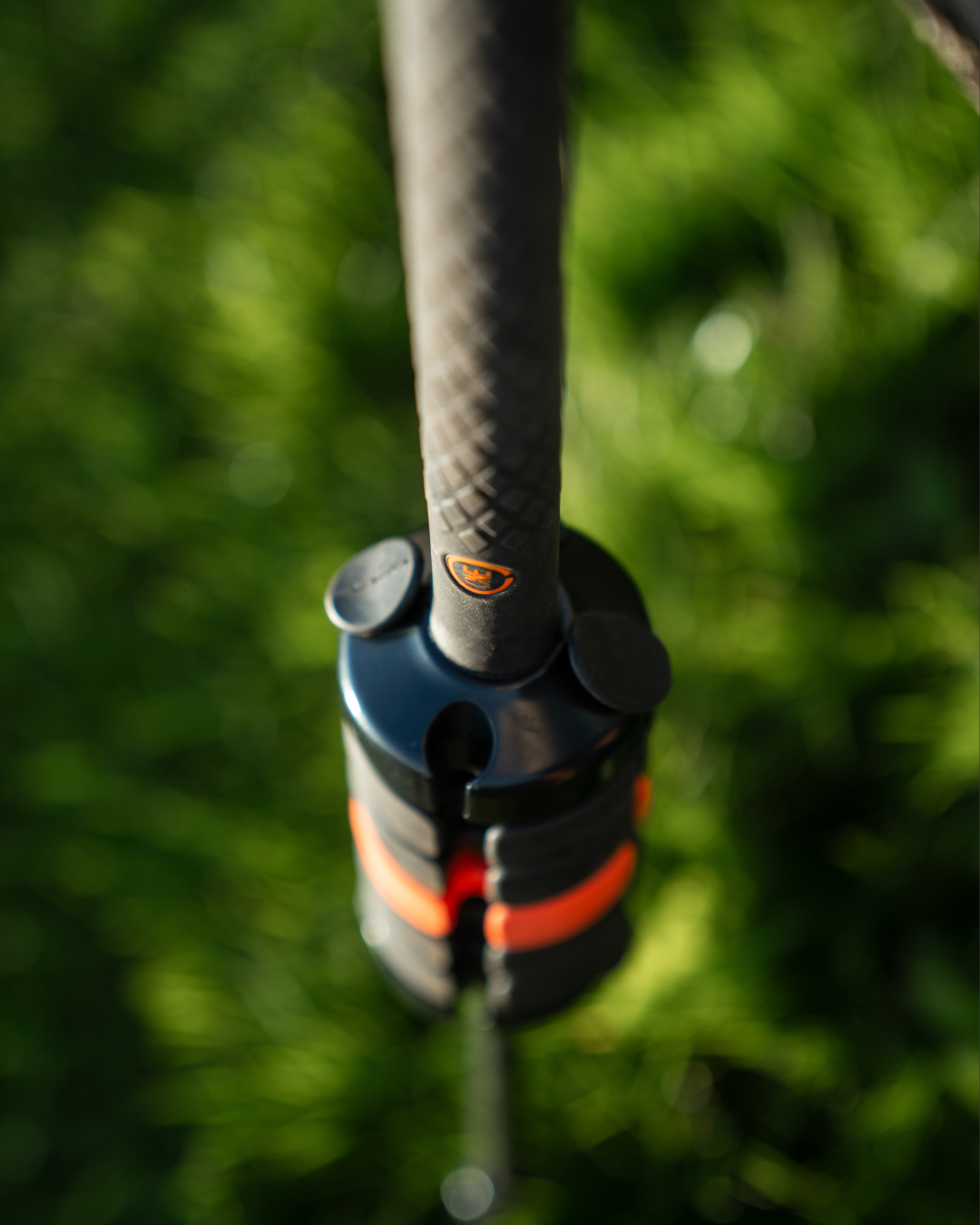

A great golf swing trainer tool gives honest feedback the moment you make a bad move, loads the right muscles to teach proper sequencing, and survives a Canadian winter of basement reps without breaking. After two decades on the lesson tee, I can tell you the difference between useful practice gear and a $99 gimmick comes down to about five features, and most of the gadgets you see on Instagram fail at least three. The market is crowded and the marketing is loud. This guide is built to fix that.
Below, I will walk you through what to look for in a swing trainer, what to walk away from, how the better tools work on your swing mechanics, and what results you can expect. I will name names where it helps, including the Orange Whip, the Lag Shot, SuperSpeed, alignment sticks, and the ONE Club Trainer.
What makes a swing trainer worth owning
A good golf training aid does one thing very well: it changes your behavior without you having to think about it. The best golf swing trainers force a correct motion through their physical design, not through a sticker on the shaft telling you what to do. If you can cheat the tool and still feel like you used it correctly, the tool is a waste of money. That is the first filter I use when a student asks me whether to buy something.
Across my lesson book, the swing trainer tools that survive past month two share five traits. They give instant feedback. They load the swing through weight, flex, or resistance. They are durable enough to take hundreds of full-swing reps. They are portable enough that you will actually use them. And they address more than one fault at a time. Miss any of those, and the tool ends up in the corner of the garage with the old golf shoes.
Instant feedback you cannot ignore
The single most important feature in any swing trainer is feedback that arrives within a half-second of the mistake. A flexible shaft that wobbles when you rush the transition. A clicker that fires when your wrists hinge correctly. A weighted head that pulls you off balance the second you swing with your arms instead of your body. These are all variations of the same idea, and they work because golfers learn from consequences, not from instructions. According to TrackMan's swing-data archive, club delivery is decided in the last quarter-second before impact, which means any tool that delays feedback until after the swing is over is teaching the wrong lesson. I tell my students this all the time: if the aid does not catch you mid-swing, it is just a club.
Resistance, weight, or load that earns its keep
The second feature I look for is load. A swing trainer should feel different from your seven iron in your hands. Either heavier, which forces better sequencing through the transition, or lighter, which trains clubhead speed through overspeed work. SuperSpeed's three-stick protocol is the most studied version of the lighter idea, and the research summarized at SuperSpeed Golf points to measurable gains in driver speed for golfers who commit to the program. A heavier tool like the Orange Whip teaches the opposite skill, namely tempo and a patient transition, by punishing any rushed move from the top. The ONE Club Trainer sits in that weighted camp too, which is why I keep one near the lesson tee for students who fight a chronic early extension or who swing with all arms.
Durability and portability you can actually live with
Most golfers underestimate how often a training aid gets dropped, banged into a doorframe, or shoved into a trunk. If the shaft cracks after fifty reps, you wasted your money. I prefer steel-cored shafts and reinforced grips. Portability matters too. A trainer that lives in your golf bag gets used. A trainer that requires you to clear the garage does not.
Multi-fault address
The fifth feature is the one most buyers overlook. A truly good swing trainer addresses more than one fault. A flexible-shaft trainer like the Lag Shot teaches tempo, transition, and lag at the same time. A weighted trainer teaches sequencing, balance, and tempo together. Alignment sticks, which cost about ten dollars at any pro shop, double as a setup tool, a swing path guide, and a feet-line check. The more jobs a single tool does, the more it earns its place in the bag. Single-purpose gadgets, like a $40 wrist-hinge collar, usually end up in a drawer because they only solve one fault and the rest of your swing has eight.
Red flags and gimmicks to walk away from
The training aid industry runs on hope, and there is a very specific type of marketing that takes advantage of it. I see the same red flags every season. Any product that promises a fix in twelve swings, thirty days, or one weekend is selling you a feeling, not a skill. Any aid that requires you to wear it on your wrists, elbows, and head at the same time is solving the wrong problem because the swing is a chain reaction, not a list of positions. Any tool that costs more than $200 and does only one thing better than alignment sticks is overpriced. And any tool that you cannot hit actual balls with eventually loses its grip on your practice because golf is a ball-and-target sport, not a positions sport.
I also steer students away from anything that claims to fix the swing without changing the body. Mark Broadie's strokes-gained work, published at Broadie Golf, shows that real scoring improvement comes from full-swing distance gains and approach play, both of which depend on athletic motion. A plastic collar that locks your elbow into a single position does not build athletic motion. It builds a stiff, unnatural feel that disappears the moment you take the collar off. If a tool changes how you look at address but does nothing for ball striking, clubhead speed, or contact location, the change was cosmetic.
How golf swing trainers actually work on your mechanics
The mechanism behind every effective tool comes down to one of three categories. Feel trainers, like the Orange Whip and the ONE Club Trainer, use weight and flex to exaggerate the consequences of poor sequencing. When you rush the transition, the head whips ahead of your hands and you feel it. The correction is immediate, and after a few weeks of daily reps, the new sequencing pattern starts to show up in your regular swing. The screening protocols from Titleist Performance Institute describe sequencing as one of the foundational athletic skills in golf, and a weighted trainer is the cleanest way to drill it.
Speed trainers, like SuperSpeed sticks and the Rypstick, work in the opposite direction. They are lighter than a normal driver, which lets you swing faster without the perceived risk of losing control. Over time, your nervous system raises its top-end speed ceiling, and that speed transfers back to the driver. Overspeed protocols typically involve three sticks of decreasing weight and a structured eight-week program. I have seen students gain three to five miles per hour of clubhead speed with consistent work, which translates to about ten yards of carry on a driver.
The third category is position trainers, which includes alignment sticks, swing plane guides, and grip trainers. These tools do not load the swing. They constrain it. Alignment sticks set up a target line and a swing path channel that catches any over-the-top move before you make it. Grip trainers force your hands into a neutral position so you stop fighting a closed or open clubface at impact. Instruction from HackMotion covers how wrist position at the top sets up the clubface for the downswing, and a grip trainer is the cheapest way to drill that at home. These tools are the workhorses of the training aid world. They are boring, they are cheap, and they work.
Indoor practice and home setup
Most of the questions I get about training aids come from students who want to practice indoors during the off-season. The good news is that most of the better tools work fine inside, as long as you have enough ceiling clearance for a full swing. About eight feet of ceiling is the minimum for a full-swing trainer, and you can drill positions, half-swings, and putting in much tighter spaces. A simple putting mat, a mirror, and a weighted trainer cover roughly eighty percent of what an indoor golfer needs.
I tell my students to build a practice session around three blocks. Five minutes of slow-motion drills with a weighted trainer to set the feel of proper sequencing. Five minutes of speed work with a lighter stick to keep the nervous system primed. And ten minutes of position work with alignment sticks and a mirror to check your address, backswing, and impact position. That twenty-minute block, done four times a week, will move the needle on a swing more than two range buckets a week ever will. Golf.com's instruction archive covers similar protocols, and the principle is the same: short, deliberate reps with feedback beat long, mindless sessions every time.
What results to expect, and how long it takes
Here is where I have to be honest with students. A training aid will not lower your handicap by six strokes in a month. The realistic expectation is that a properly chosen tool, used four to five times a week for eight to twelve weeks, will produce a measurable change in one specific area of your swing. A weighted trainer used consistently for two months will smooth out your transition and tempo, which usually shows up as better ball striking on iron shots. An overspeed program will add two to five miles per hour of clubhead speed, which is real but not magical. A grip trainer will fix a chronic clubface problem at impact, but only if you also practice with real balls to integrate the change.
The trap is expecting the aid to do the work for you. The students who get the best results are the ones who treat a training aid like a metronome, not a miracle. They use it briefly and often, they pay attention to the feedback it gives them, and they take that feel onto the course as a single swing thought rather than a checklist. The students who buy three tools in a month and rotate through them randomly never see results, because they never give any one feel time to take root.
Choosing the right trainer for your level
If you are new to golf, start with alignment sticks and a basic weighted trainer. Alignment sticks teach setup, which is the single most underrated skill in the game, and a weighted trainer builds the tempo and sequencing that beginners almost always lack. Spend less than $100 total and you will outperform most golfers who own $500 of gear. Golf Monthly's gear reviews at golfmonthly.com are a useful starting point for picking a specific model.
Intermediate players who already break 90 should add a flexible-shaft trainer to address transition and lag, and consider adding a speed program if they want more distance off the tee. The Lag Shot is the most popular flexible-shaft option, the Orange Whip is the most popular weighted option, and SuperSpeed is the most studied overspeed program. Pick one from each category and you have a complete kit.
Advanced players, meaning anyone with a single-digit handicap, usually need feedback tools more than they need feel tools. Launch monitors, pressure plates, and detailed swing trackers are where the real gains hide at that level. A swing trainer is still useful for off-season tempo work, but a player who already shoots in the seventies needs data, not feel. That is the same conclusion most of MyGolfSpy's testing data points to, and it matches what I see on the lesson tee.
Golf swing trainer tool questions
Are golf training aids worth it?
Yes, but only if you choose one that addresses a fault you actually have and you commit to using it consistently. The tool itself does not fix the swing. The repetitions do. A weighted trainer used three times a week for ten weeks will produce a real result. The same trainer used twice and forgotten about will not.
Are alignment sticks useful?
Alignment sticks are the cheapest and most versatile training aid in golf. They teach setup, swing path, and target line for around ten dollars. I keep a pair in my own bag and I use them on the range almost every session. If you only buy one training aid this year, buy alignment sticks first.
Can I use golf swing training aids inside?
Most of them, yes. Weighted trainers, grip trainers, alignment sticks, and putting mats all work indoors with normal ceiling height. Full-swing trainers need about eight feet of clearance, which most basements and garages have. The off-season is when training aids earn their keep, because outdoor practice is not available.
What training aids do golf pros use?
Tour players use weighted trainers like the Orange Whip for tempo, overspeed sticks for clubhead speed, alignment sticks for every single range session, and detailed swing-tracking technology for data. The tools are not different from what amateurs can buy. The discipline of using them is.
What golf training aids really work?
The ones that give instant feedback, load the swing in a meaningful way, address more than one fault, and survive heavy use. Weighted trainers, flexible-shaft trainers, alignment sticks, grip trainers, and overspeed sticks have all been validated by both teaching professionals and independent testing. Avoid anything that promises a fast fix or that locks a single body part into one position.