
The best golf gifts for him fall into six price tiers, and the trick is matching the budget to what the man in your life actually plays. A $25 stocking stuffer for a weekend hacker lands very differently than the same envelope shoved into the hand of a 4-handicap who already owns three rangefinders. Over fifteen years on the lesson tee in Quebec and Ontario, I have watched students unwrap a lot of golf gifts. The ones that get used rarely sort by price. They sort by fit. This guide breaks down what to buy at $30, $50, $100, $250, $500, and premium, with three to five specific picks at every level.
You will find training aids, apparel, accessories, gadgets, and a couple of books mixed across the tiers. The ONE Club Trainer sits in the $100–$250 tier because I use it weekly with my own students. I will also flag the classic mistakes (a putter chosen by feel from a website, a glove in the wrong size, a launch monitor he will not calibrate). Skip ahead to the price tier that matches your envelope.

$30 and under: the stocking-stuffer tier
At this budget the goal is consumables and small accessories he uses every round, never apparel or anything that requires a size guess. A dozen golf balls is the safest single golf gift under $30, and the cleanest choice is the Callaway Supersoft. The 2025 Supersoft retails around $25 a dozen, the cover is durable enough to last a round on a tight course, and the soft feel works for the 90 to 100 mph driver speeds most weekend golfers swing. If he plays a faster ball, a sleeve of Titleist Pro V1 (around $19 for three) is a nice nod without committing to the full $60 dozen.
A microfiber towel with a carabiner clip is the second item I tell every gift shopper to add. Most range bags carry a stiff old towel that does not actually clean grooves, and a good waffle-weave microfiber towel pulls grass and sand out of irons properly. Budget $12 to $18. A premium wood tee pack (Pride Professional Tee System, around $9 for 75 tees) is the third pick: real wooden tees in the right length, which beats the random plastic pack from the pro shop. For a funny stocking stuffer that does not feel like a gag, the novelty golf socks category has cleaned up. Look for cotton blends, not the flimsy polyester ones, and stick to size-graded packs. A simple ball-mark divot tool with a magnetic hat clip rounds out the tier under $20.
$50: the practical-upgrade tier
At $50 you can move past consumables into one real piece of gear. The two things I push hardest at this price are a quality golf glove multipack and a putting mat. The FootJoy WeatherSof two-pack runs about $24 to $30 depending on size, and a third glove in the set means he is not playing every round in a sweaty leather mitten. Sizes for a golf glove run cadet small through XL and they do not match dress-glove sizing, so check the strap on his current one before ordering. Footjoy publishes a sizing chart that helps.
A 9-foot rollable putting mat is the gift my students reach for most often during off-course winter months. The PuttOUT and Pinned Golf putting mats live in the $40 to $55 range. Look for one with a true 9-foot length and a built-in alignment line, because most missed putts inside 6 feet are face-angle errors, and a line gives him immediate feedback. I have run drills on a $45 mat that produced more change in 30 days than a $300 lesson package would have without the at-home reps. Per Golf.com's instruction archive, three short putts per day at home over a winter is the cheapest stroke-saver in the game.
Round out the tier with a leather scorecard holder (around $35, especially nice if you can personalize it with his initial), a moisture-wicking golf hat, or a slim magnetic golf cart phone holder. The cart phone holder lands well with anyone who rides; it sticks to a MagSafe iPhone and rotates so he can see his GPS app without taking the phone off the cart. Around $25.
$100: the smarter accessories tier
At $100 the calculus changes. Now you are buying one nicer thing instead of a bundle, and the strongest categories are apparel, a decent rangefinder, and a quality training aid. For apparel, a single high-end polo from Peter Millar, Travis Mathew, or Johnnie-O sits between $90 and $115, and that one shirt will live in his rotation for three seasons. Stick to neutral colors (navy, gray, white) unless you know his closet. Skip the loud prints. Pair the polo with a quarter-zip in the same brand for a clean Father's Day or birthday combo if you can stretch a little higher.
If he does not own a rangefinder, the budget category here is excellent. The Redtiger and Revasri laser rangefinders both sit at $90 to $130 with slope, magnetic strips for the cart rail, and 7x magnification. These are not Bushnell quality, but for a weekend golfer who plays the same course every Saturday, the accuracy is plenty. MyGolfSpy's most recent rangefinder roundup makes the case that budget units have closed most of the gap, according to MyGolfSpy's gear testing archive.

For a training-aid pick at $100, the Orange Whip Trainer (around $109 for the 47.5 inch) is the classic. The weighted, flexible shaft grooves tempo and forces a connected golf swing. Every golfer can use one. If he likes books over gear, Mark Broadie's Every Shot Counts changed how I teach course strategy. Around $20, pair it with a polo for a thoughtful combo.
$250: the serious-tool tier
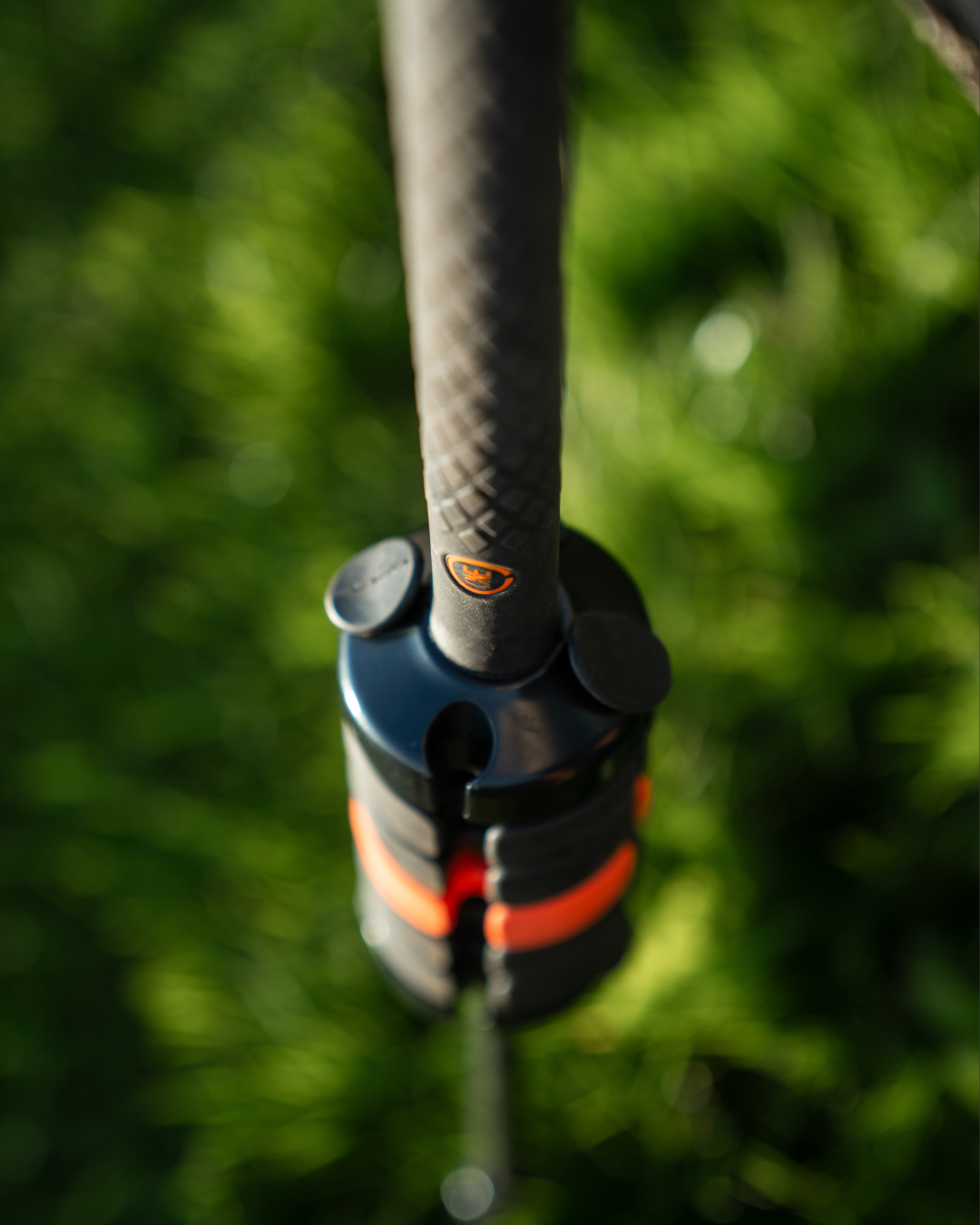
At $250 you are buying a tool that meaningfully changes a part of his game. This is the tier where the ONE Club Trainer fits, at roughly $199 USD. It is a single weighted club that loads the trail side, slows the transition, and trains a connected sequence from the ground up. I use it with new students who collapse at the top, and I use it with single-digit handicaps who are trying to get out of their own way. A weighted swing trainer like this is useful because the added load punishes any rushed transition, and the feedback shows up in the very next swing.
Other strong picks at $250 include a Garmin Approach S44 or S70 GPS watch (around $200 to $400, the S44 lands cleanly in this tier), a SuperSpeed Golf overspeed training set, and the GolfForever resistance kit. The SuperSpeed protocol uses three graduated weighted clubs in a roughly 80% / 90% / 110% body-weight progression to train faster swing speed, and the science behind it is well-documented at SuperSpeed Golf's research page. I have seen students add 6 to 9 mph of clubhead speed in eight weeks doing the protocol three times per week. That is real distance, gained off-course, without changing his swing.
If apparel is the play, a TravisMathew or lululemon trouser-and-polo combo lands here, as does a Sun Mountain stand bag for the golfer who walks. The Sun Mountain C-130 carry bag is around $230 and the gold standard for anyone who pushes a cart or walks 18.
$500: the splurge tier
At $500 you are buying a launch monitor or a serious apparel haul. The Rapsodo Mobile Launch Monitor (around $500) clips to an iPhone, sits behind the ball, and gives him carry distance, clubhead speed, ball speed, smash factor, and launch angle. For a golfer who hits a net in his garage twice a week, that data turns aimless reps into real practice.
An indoor putting green from Big Moss or Birdieball runs $350 to $500 for 9-foot to 12-foot lengths with breaks built in. Combine a putting green with an alignment training aid like the Stance Caddy and you have an off-course short-game lab for under $600.
Premium golf shoes also sit here. A pair of FootJoy Premieres or G/Fore MG4+ runs $220 to $260, and a second pair (waterproof boot for shoulder-season golf, plus a lighter summer shoe) gets you to $500 cleanly. Throw in a Stitch Day Traveler backpack for a complete gift he will use 200 days a year.
Premium: the over-$500 tier
Above $500 the answers are experiences and custom-fit equipment. A custom putter fitting through a local pro shop or a Scotty Cameron studio gets you a putter built to his eye, lie angle, and stroke type. Most fittings run $200 to $400 on top of the $400 to $600 putter cost. A putter chosen by feel from a website almost never works; a fitted putter is the gift that survives every reshuffle of his bag. The USGA publishes club-fitting guidelines and equipment rules at the USGA's rules and equipment page if you want to read up before buying.
An indoor golf simulator setup (SkyTrak+ at $3,000, or a Foresight GC3 at $7,000) sits at the absolute top of this guide. Most students who buy one tell me the practice habit changes everything: 20 minutes a night beats one bad range session per week. If a full simulator is out of reach, a Five Iron Golf or X-Golf membership gift card lands the experience without the install.
The other premium option is lessons. A 5-pack of one-hour lessons with a Class A PGA professional runs $400 to $800 in most markets. From years on the lesson tee I will say the same thing every coach says: lessons are the single best gift you can give a beginner or an intermediate golfer. Pair the lesson package with a small training aid (a tempo trainer, a HackMotion wrist sensor if he is serious) and he has the tools to practice between sessions. HackMotion's wrist-angle protocols, available at HackMotion's training drills library, are one of the only ways to fix a flippy release at home.
How to pick the right tier for the golfer in your life
Match the tier to where he is in the game. A brand-new player needs lessons, a few balls, and a glove that fits. An intermediate (15 to 22 handicap) benefits most from the $100 to $250 training-aid range. A low handicap already owns most of the practical gear, so the surprise gift is an experience or a custom-fit piece. Ask what part of his game he was complaining about last month. If he says putting, get a mat or a fitted putter. If he says distance, get the SuperSpeed set. If he is sick of his old polos, he is telling you what to buy.
Avoid two classic traps. First, do not buy clubs unless he asked for them. A new driver chosen without a fitting is almost guaranteed to sit in the garage. Second, skip the gimmick training aids you see on social media. The Orange Whip, the SuperSpeed set, the ONE Club, the GolfForever kit, and a putting mat are the training aids that survive in real golf bags. The rest are clutter.
Golf gifts for him questions
What is a good gift for a male golfer?
The best golf gift for a man depends on his level and what he already owns. For most golfers the safest hit is a dozen Callaway Supersoft or Titleist Pro V1 balls plus a quality FootJoy glove, which together run about $50. If you want one item, a 9-foot putting mat is the gift that gets actually used through the off-season for putting practice.
What is the best golf gift for a man?
For a serious player, a custom putter fitting or a 5-pack of lessons with a PGA professional outranks any piece of gear. For an intermediate, a weighted swing trainer like the Orange Whip or the ONE Club Trainer at the $100–$250 range delivers measurable change. For a casual golfer, premium balls, a polo, and a microfiber towel always land.
What to buy a golfer who has everything?
Experiences. A simulator session, a round at a bucket-list course, a lesson package, or a custom-fit putter. Golfers with full bags do not need more stuff; they need a reason to play more often or a tool dialed to their body.
What to buy someone who loves golf?
Match the gift to what he talks about. If he talks about distance, buy a speed-training set. If he talks about scoring, buy a wedge fitting or a putting green. If he talks about the clubhouse and the social side, buy a quarter-zip and a leather scorecard holder. The right golf gift for men reflects the part of the game he actually cares about.
What are some unique golf gifts for him?
A custom yardage book for his home course, a personalized leather headcover set, a Mark Broadie strokes-gained book, or a Birdieball indoor putting green with built-in breaks. Personalized golf gifts (initial embroidery on a towel or polo, his name on a scorecard holder) feel like a wonderful gift without the price tag of premium leather or a custom putter.
What golf gifts for men can improve performance?
The short list of training aids that actually move the needle: the Orange Whip for tempo, the ONE Club Trainer for sequencing, the SuperSpeed set for clubhead speed, a HackMotion sensor for wrist angles, and a 9-foot putting mat for stroke length. These are the gifts I recommend to friend or family members shopping for an avid golfer.